September 24, 2026
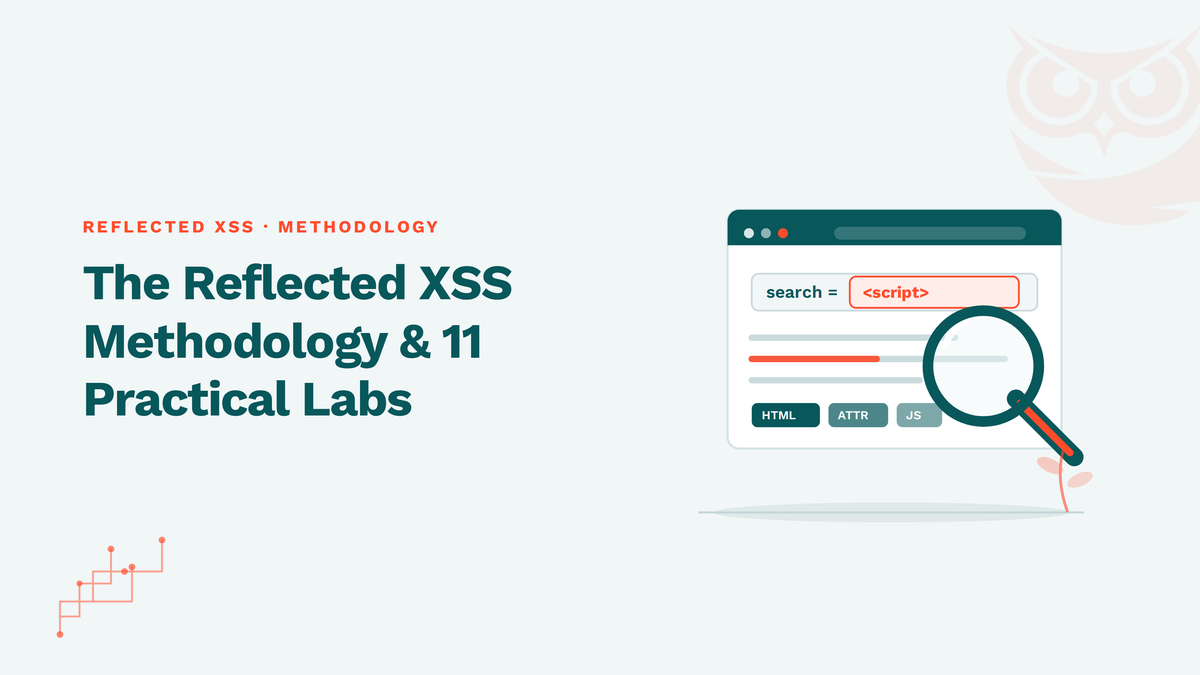
The Reflected XSS Methodology: 11 Labs Behind $5,000+ in Bounties and 80+ Pentests
The Reflected XSS Methodology: 11 Labs Behind $5,000+ in Bounties and 80+ Pentests

Salman Khan


Omair Manzoor is the Founder, CEO, and Chief Hacker of ioSENTRIX, a CREST-accredited cybersecurity firm. With 14+ years in offensive security, he has led penetration tests for Fortune 500 companies including engagements for Amazon, Bank of America, VISA, and the London Underground. His exploits are part of the Metasploit Framework and Immunity Canvas. Omair is a published researcher, conference keynote speaker (DOD, CISA, BSides), and technical reviewer for academic security textbooks.
Testing LLM security is critical because large language models handle sensitive data, perform automated decision-making, and integrate with enterprise systems.
Without testing, models may leak confidential information, produce inaccurate outputs, or allow unauthorized actions, leading to regulatory, operational, and reputational risks.
LLM deployments face multiple risks affecting data integrity, privacy, and operational stability:
Enterprises must address these risks before deploying LLMs in high-stakes environments.
Several frameworks provide structured LLM security guidance, including:
These frameworks support repeatable and standardized security risk assessments.
Threat modeling identifies potential attack paths and misuse scenarios. Enterprises analyze actors, assets, and system interactions to detect risks such as:
This enables proactive remediation before deployment.
Red-team testing simulates adversarial attacks to validate model defenses. Key activities include:
Red-team testing reveals vulnerabilities overlooked by automated scans, strengthening enterprise AI resilience.
Prompt-level testing evaluates LLM responses to adversarial inputs and boundary conditions. Recommended techniques include:
These tests prevent unauthorized actions, data leaks, and logic bypasses in enterprise workflows.
LLM integration security is essential to prevent system exploitation. Practices include:
Proper integration testing reduces attack surfaces and strengthens enterprise defenses.
Vector stores may leak sensitive information if embeddings contain confidential data. Best practices include:
These measures protect intellectual property and maintain regulatory compliance.
Continuous monitoring detects deviations in model behavior, integration activity, and output quality. Key monitoring practices:
Monitoring ensures sustained safety and operational reliability.
Compliance alignment ensures enterprise accountability and risk mitigation. Key frameworks include SOC 2, ISO 27001, HIPAA, and PCI DSS. Practices include:
Compliance-driven LLM programs reduce regulatory and reputational exposure.
Metrics provide insight into model resilience and risk reduction:
Tracking metrics supports continuous improvement and decision-making.
ioSENTRIX delivers end-to-end LLM security services including:
Testing LLM security requires structured frameworks, red-team testing, prompt evaluation, integration validation, and continuous monitoring.
Following these best practices ensures enterprise AI applications are safe, accurate, and compliant. ioSENTRIX provides expert-led solutions for sustainable LLM security.
Secure your enterprise LLM applications today. Partner with ioSENTRIX for comprehensive security testing, red-team assessments, and governance implementation.
Get Started to protect your AI systems from data breaches and operational risks.
LLM security testing evaluates large language models for vulnerabilities, including prompt injection, data leakage, and model hallucinations. It ensures models operate safely, prevent unauthorized access, and maintain enterprise compliance with frameworks like SOC 2 and ISO 27001.
Recommended frameworks include NIST AI RMF, OWASP LLM Top 10, MITRE ATLAS, and ISO 42001. These frameworks provide guidance for risk management, threat modeling, adversarial testing, and compliance-aligned assessment of enterprise LLM deployments.
Red-team testing simulates adversarial attacks on LLMs to identify vulnerabilities such as prompt manipulation, data exfiltration, and unauthorized model behavior. It validates defenses and improves enterprise resilience by revealing gaps not detected in automated testing.
Enterprises secure LLM integrations by applying API authentication, role-based access, rate limiting, dependency verification, and secure plugin management. These measures prevent exploitation of connected systems and reduce the overall attack surface of AI deployments.
Continuous monitoring detects anomalies, output drift, and unauthorized activity in LLMs. It ensures model outputs remain accurate, prevents data leakage, maintains compliance, and supports long-term enterprise AI security.