




What is the difference between red teaming and penetration testing?
Red teaming and penetration testing both involve authorized offensive security testing, but they differ fundamentally in objective, scope, methodology, and duration. Penetration testing aims to find as many vulnerabilities as possible within a defined scope (a web application, network segment, or cloud environment) over a fixed period — typically 1–3 weeks. Red teaming aims to test the organization's detection and response capabilities by simulating a realistic adversary campaign — using stealth, social engineering, physical intrusion, and multi-stage attack chains — over a longer period, typically 4–12 weeks. In a pen test, the security team usually knows testing is happening; in a red team engagement, only a small "trusted agent" group is aware. Pen testers report every vulnerability found; red teamers report the attack narrative — how they achieved specific objectives (accessing the CEO's email, exfiltrating customer data, deploying simulated ransomware) without being detected. ioSENTRIX red team engagements map all TTPs to the MITRE ATT&CK framework, providing defensive teams with specific detection gaps and SIEM rule recommendations — not just a list of vulnerabilities.
How long does a red team engagement take?
A red team engagement typically takes 4 to 12 weeks from initial reconnaissance to final report delivery, with the active attack phase spanning 3 to 8 weeks depending on scope and objectives. The engagement follows distinct phases: reconnaissance and OSINT gathering (1–2 weeks), initial access attempts including phishing, vishing, or physical intrusion (1–2 weeks), post-exploitation including lateral movement, privilege escalation, and persistence (2–4 weeks), objective execution such as data exfiltration or domain dominance (1–2 weeks), and reporting with debrief (1 week). Factors that extend the timeline include larger environments with multiple domains and geographic locations, objectives requiring physical access to secure facilities, mature security operations centers (SOCs) that force the red team to slow down and adapt tactics, and multi-objective campaigns that test several attack scenarios. ioSENTRIX red team engagements include a final debrief with the SOC/IR team where operators walk through every detection opportunity — showing exactly when and how the blue team could have caught the intrusion.
What is purple teaming?
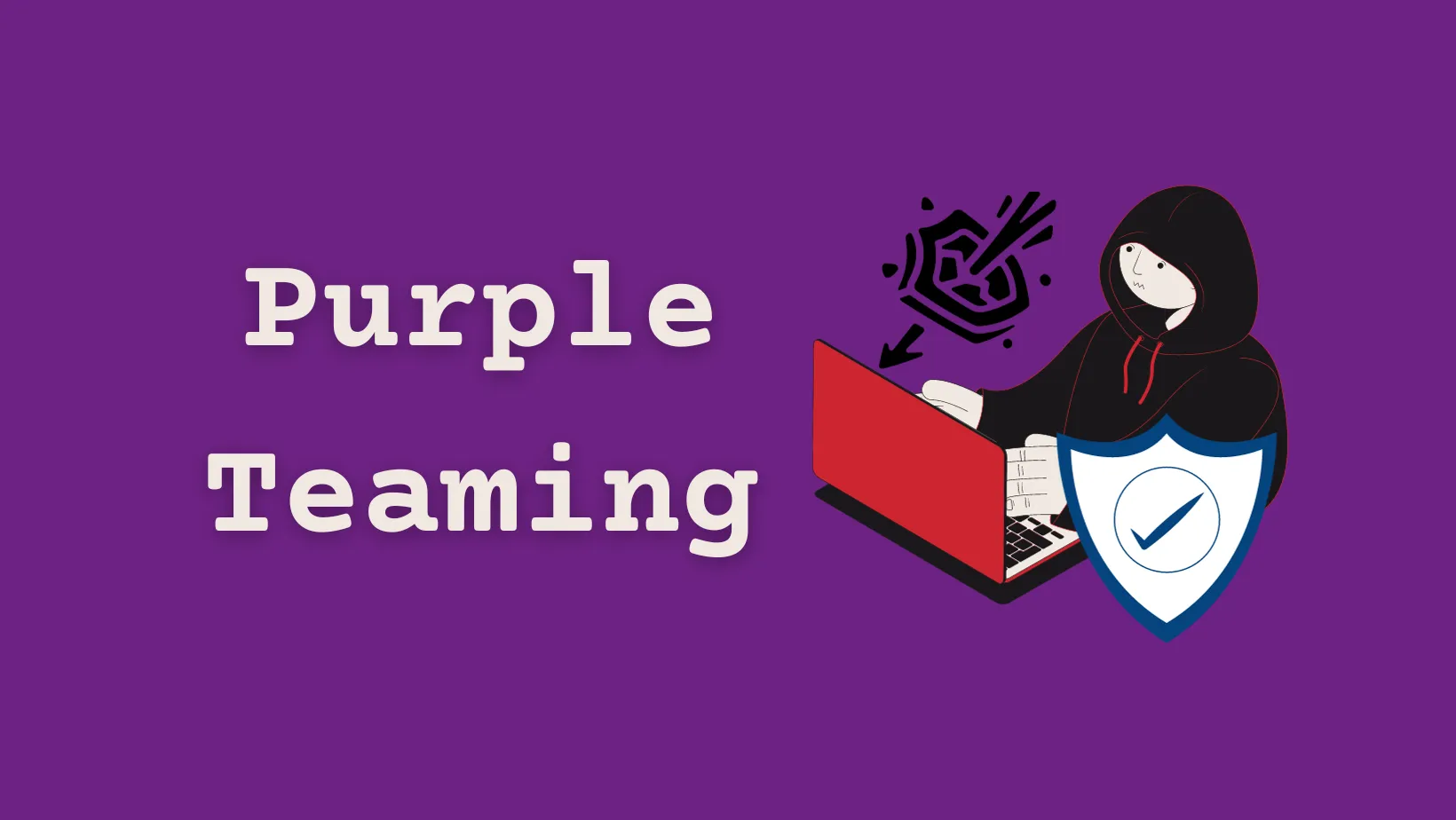
Purple teaming is a collaborative security exercise where red team (offensive) and blue team (defensive) operators work together in real time to test, validate, and improve an organization's detection and response capabilities. Unlike red teaming where the attack is covert, purple teaming is transparent — the red team executes specific TTPs from frameworks like MITRE ATT&CK while the blue team observes whether their SIEM, EDR, NDR, and SOC processes detect each technique. After each test, both teams analyze the results: if a technique was detected, the detection rule is documented; if missed, the blue team builds or tunes detection rules on the spot. Purple teaming produces a measurable detection coverage matrix — showing exactly which ATT&CK techniques your defenses can and cannot detect. This is especially valuable for organizations that have invested in security tooling (CrowdStrike, SentinelOne, Splunk, Microsoft Sentinel) but have not validated whether their detection rules actually fire against real adversary behavior. ioSENTRIX delivers purple team engagements with a structured TTP playbook covering 30–50 techniques across the ATT&CK kill chain, with a deliverable that maps your current detection coverage and provides specific SIEM/EDR rule recommendations for gaps.
How much does red teaming cost?
Red team engagements typically cost between $30,000 and $150,000 or more, depending on scope, objectives, duration, and the sophistication of attack scenarios. A focused red team assessment targeting a single objective (e.g., access to a specific database or email account) with primarily remote attack vectors runs $30,000–$50,000 over 4–6 weeks. A comprehensive red team campaign that includes phishing, vishing, physical intrusion attempts, multi-domain lateral movement, and multiple objectives ranges from $60,000–$100,000 over 6–10 weeks. Advanced engagements simulating nation-state adversaries with custom malware development, supply chain attack simulation, and extended persistence campaigns can exceed $150,000. Red teaming costs more than penetration testing because it requires senior operators with broader skill sets (social engineering, physical security, custom tooling development), longer engagement timelines, and the infrastructure to remain undetected. ioSENTRIX red team engagements are conducted by CREST-accredited operators and include full MITRE ATT&CK mapping, a purple team debrief session, and actionable detection engineering recommendations.