September 24, 2026
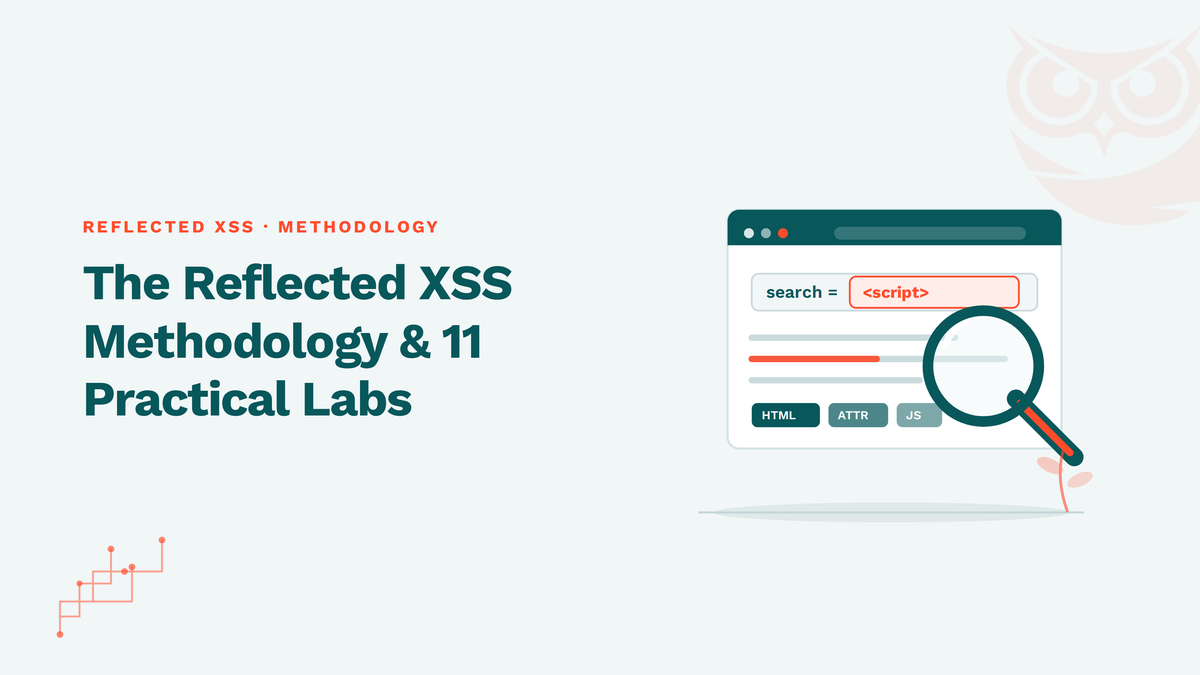
The Reflected XSS Methodology: 11 Labs Behind $5,000+ in Bounties and 80+ Pentests
The Reflected XSS Methodology: 11 Labs Behind $5,000+ in Bounties and 80+ Pentests

Salman Khan


Omair Manzoor is the Founder, CEO, and Chief Hacker of ioSENTRIX, a CREST-accredited cybersecurity firm. With 14+ years in offensive security, he has led penetration tests for Fortune 500 companies including engagements for Amazon, Bank of America, VISA, and the London Underground. His exploits are part of the Metasploit Framework and Immunity Canvas. Omair is a published researcher, conference keynote speaker (DOD, CISA, BSides), and technical reviewer for academic security textbooks.
Compliance-driven Application Security (AppSec) is a structured approach that aligns software development practices with regulatory frameworks such as GDPR, SOC 2, and ISO 27001.
It ensures that security and compliance requirements are integrated into every phase of the Software Development Life Cycle (SDLC), helping organizations maintain consistent protection of sensitive data and meet legal and industry obligations.
This approach strengthens secure design, coding, testing, and deployment practices, making it a foundational part of modern cybersecurity governance.
This article explains how secure development supports GDPR, SOC 2, and ISO 27001 compliance and outlines the controls engineering teams must implement.
Compliance-driven AppSec is important because it enforces mandatory security baselines, reduces breach exposure, and helps organizations pass audits.
These controls protect sensitive data, support customer trust, and ensure legal adherence.
According to IBM’s Cost of a Data Breach Report (2024), the average global breach cost reached USD 4.88 million, emphasizing the need for secure development aligned with regulatory frameworks.
AppSec supports GDPR compliance by embedding data protection controls into software design, development, and deployment processes.
GDPR emphasizes privacy by design, secure data handling, and strong protection of personal data.
AppSec teams must implement controls aligned with GDPR Articles 25, 32, and 33. Core areas include:
GDPR compliance in AppSec requires embedding privacy-by-design, encryption, access controls, and secure coding practices throughout the SDLC.
These measures protect personal data, minimize processing risks, ensure lawful handling, and meet GDPR’s technical and organizational security requirements.
To understand how these controls fit into a structured security program, explore our Application Security services.
AppSec helps meet SOC 2 requirements by implementing security controls aligned with the Trust Services Criteria: Security, Availability, Processing Integrity, Confidentiality, and Privacy.
Development teams must integrate security checkpoints throughout the SDLC to maintain audit readiness.
SOC 2 assesses a service organization’s ability to protect systems and data. AppSec enables compliance through:
AppSec aligns with ISO 27001 by applying secure design and development controls listed in Annex A, including secure coding, system change controls, cryptographic management, and logging.
ISO 27001 requires an Information Security Management System (ISMS), and AppSec forms a major component of its technical controls.
ISO requires ongoing improvement, so AppSec programs must use metrics and continuous testing.
Organizations can implement compliance-driven AppSec by mapping regulatory requirements to SDLC workflows, automating security controls, and establishing continuous monitoring.
Identify which GDPR, SOC 2, and ISO 27001 controls apply to each system component.
Create secure development policies, coding standards, and testing frameworks.
.webp)
Implement SAST, DAST, SCA, secrets scanning, and CI/CD security gates.
Store artifacts for audits, including logs, test reports, and patch histories.
Train teams on regulatory requirements and secure implementation practices.
Perform periodic assessments, penetration tests, and internal audits.
Compliance-driven AppSec establishes a structured approach to secure development by meeting GDPR, SOC 2, and ISO 27001 requirements.
Each standard demands strong security controls involving secure coding, access governance, encryption, monitoring, and incident response.
Organizations that embed AppSec into their SDLC reduce operational risks, prevent data breaches, and maintain audit readiness.
By implementing standardized secure development processes, businesses can build resilient applications that protect user data, demonstrate regulatory compliance, and support long-term security maturity.
To learn more about strengthening your security and compliance strategy, visit ioSENTRIX.
Contact our experts to learn more.
Compliance-driven AppSec aligns software development with regulatory requirements such as GDPR, SOC 2, and ISO 27001. It ensures security controls are embedded in the SDLC to protect data and maintain audit compliance.
GDPR relies on privacy by design, SOC 2 focuses on Trust Services Criteria, and ISO 27001 mandates Annex A controls. All three require secure coding, vulnerability management, and incident response.
AppSec reduces compliance risks by preventing vulnerabilities that lead to unauthorized access, data breaches, and audit failures. Secure development ensures consistent protection of sensitive data.
Yes. Regulators and auditors require documented secure development processes, testing evidence, and risk management practices to validate compliance.
Tools include SAST, DAST, SCA, secrets scanners, dependency checkers, and CI/CD security integrations that automate compliance validation.