September 24, 2026
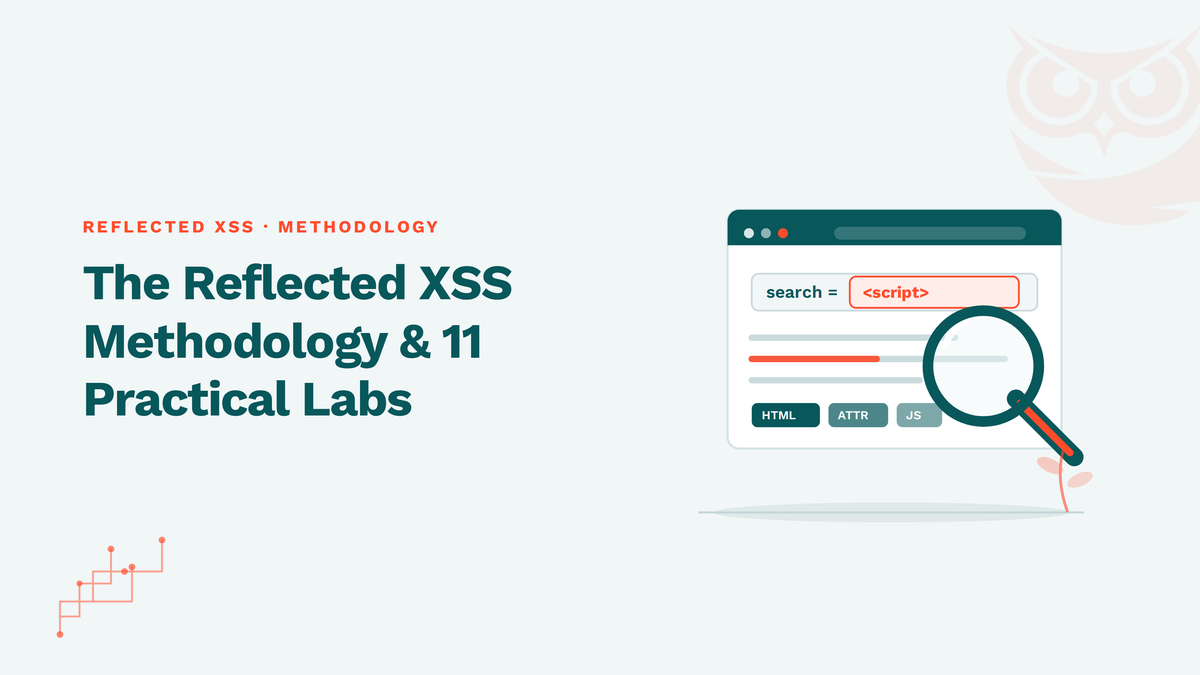
The Reflected XSS Methodology: 11 Labs Behind $5,000+ in Bounties and 80+ Pentests
The Reflected XSS Methodology: 11 Labs Behind $5,000+ in Bounties and 80+ Pentests

Salman Khan


Fiza Nadeem is an SEO content writer at ioSENTRIX with 2.5+ years of experience in content writing, copywriting, and SEO.
NIS2 is the European Union’s updated cybersecurity directive that significantly raises security, governance, and accountability requirements.
It replaces the original NIS Directive to address modern threats, operational complexity, and inconsistent enforcement across sectors.
The directive now applies to an estimated 160,000 organizations across the EU, making cybersecurity resilience a strategic and regulatory imperative rather than an optional investment.
NIS2 covers essential and important entities in energy, healthcare, digital services, cloud providers, and managed service operators, elevating cybersecurity to a board‑level responsibility.
NIS2 shifts compliance from periodic audits to continuous risk management and demonstrable control effectiveness. Regulators now expect organizations to prove they can prevent, detect, respond to, and recover from cyber incidents in real time.
This includes mandatory incident reporting timelines, executive accountability, and enforceable penalties for non-compliance.
NIS2 emphasizes risk-based security controls embedded across people, processes, and technology. Controls must address operational resilience rather than documentation alone.
Key focus areas include:
NIS2 forces organizations to integrate security governance directly into business operations. Siloed compliance, IT, and security functions no longer meet regulatory expectations.
Enterprises must align risk ownership, reporting, and remediation across teams, enabling faster decision-making and measurable risk reduction.
Secure application development reduces systemic vulnerabilities that regulations aim to eliminate. NIS2 recognizes that insecure software supply chains are a leading cause of large-scale incidents.
Organizations adopting a continuous security mindset improve resilience and audit readiness. This approach is detailed in Appsec readiness continuous security culture.
Penetration Testing as a Service (PTaaS) enables continuous validation of security controls required by NIS2. Annual penetration tests are insufficient under modern regulations.
PTaaS supports:
Continuous monitoring provides the real-time evidence regulators expect under NIS2. Static reports cannot demonstrate ongoing risk management.
Continuous monitoring:
DevSecOps embeds regulatory controls directly into development and deployment pipelines. This reduces remediation delays and prevents compliance drift.
Integrating PTaaS into CI/CD pipelines strengthens control validation. Practical guidance is available on How to integrate PTaaS into DevSecOps.
Regulators are increasingly concerned about AI-driven security and compliance risks. AI systems introduce non-deterministic behavior, data exposure risks, and model manipulation threats.
Key regulatory risk areas include:
Future regulations are expected to mandate AI risk assessments and governance controls similar to NIS2 requirements.
Enterprises struggle with operational complexity, evidence collection, and accountability alignment.
Common challenges include fragmented tooling, manual reporting, and unclear ownership of cyber risk. Overcoming these issues requires integrated security architecture and continuous assurance models.
Enterprises should prioritize continuous assurance, control validation, and regulatory alignment. Security investments must support long-term resilience, not short-term compliance.
This includes strengthening application, network, cloud, and AI security programs under unified governance.
NIS2 represents a fundamental shift in how enterprise security is defined, measured, and enforced. Organizations can no longer rely on periodic audits or static compliance frameworks.
Instead, they must implement continuous risk management, real-time visibility, and measurable control effectiveness across their entire digital ecosystem.
This shift is forcing enterprises to rethink security as a business-critical function, not just a technical requirement.
At the same time, emerging risks, particularly in AI and software supply chains, are accelerating the need for integrated, forward-looking security programs.
The path forward is clear: move beyond compliance as a checkbox and build security as a continuous, adaptive capability.
Book a demo with ioSENTRIX professionals to strengthen your security posture, streamline compliance, and build long-term resilience.
NIS2 is the European Union’s updated cybersecurity directive that requires organizations to implement stronger security controls, continuous risk management, and faster incident reporting. It expands the scope of the original NIS Directive and makes cybersecurity a board-level responsibility.
NIS2 applies to essential and important entities across sectors like energy, healthcare, cloud services, digital infrastructure, and managed service providers. It impacts around 160,000 organizations operating within the EU or serving EU markets.
NIS2 introduces stricter enforcement, broader industry coverage, mandatory incident reporting timelines, and executive accountability. It shifts compliance from periodic audits to continuous security monitoring and real-time risk management.
NIS2 requires organizations to implement risk-based security controls, including:
Continuous compliance means maintaining real-time visibility into security risks and continuously validating that controls are working. Unlike traditional compliance, it requires ongoing monitoring, testing, and reporting instead of annual audits.