September 24, 2026
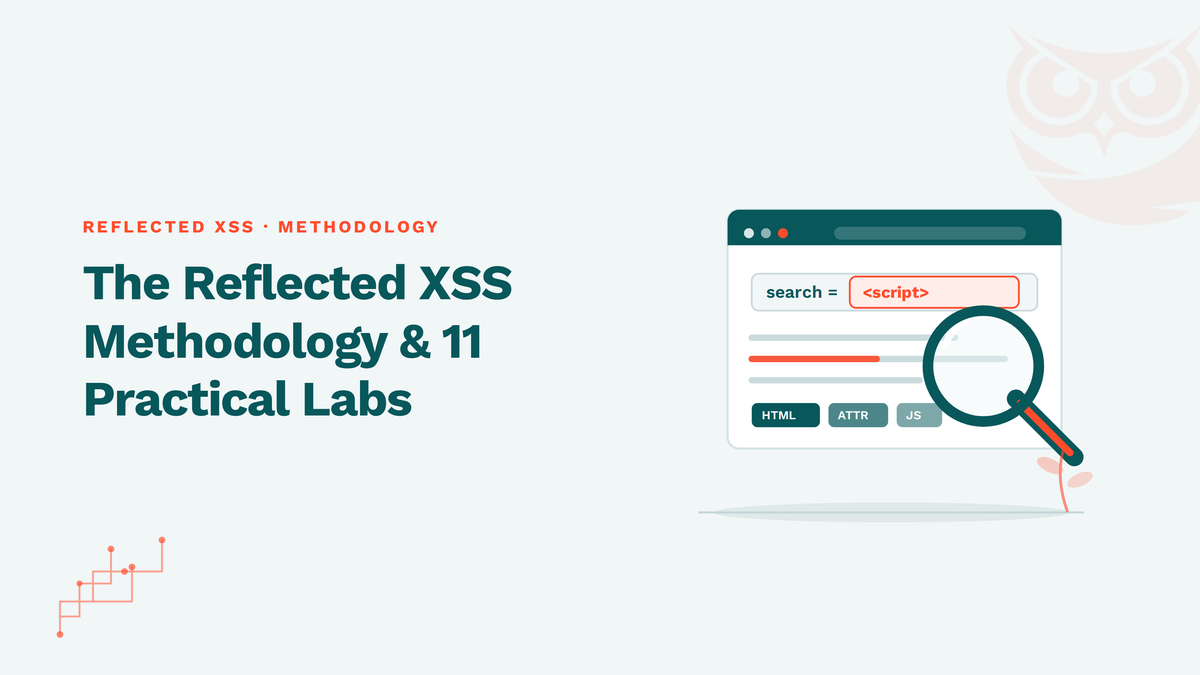
The Reflected XSS Methodology: 11 Labs Behind $5,000+ in Bounties and 80+ Pentests
The Reflected XSS Methodology: 11 Labs Behind $5,000+ in Bounties and 80+ Pentests

Salman Khan


Omair Manzoor is the Founder, CEO, and Chief Hacker of ioSENTRIX, a CREST-accredited cybersecurity firm. With 14+ years in offensive security, he has led penetration tests for Fortune 500 companies including engagements for Amazon, Bank of America, VISA, and the London Underground. His exploits are part of the Metasploit Framework and Immunity Canvas. Omair is a published researcher, conference keynote speaker (DOD, CISA, BSides), and technical reviewer for academic security textbooks.
Continuous security monitoring is essential because cyber threats evolve daily and static assessments fail to detect new vulnerabilities.
According to IBM’s 2024 Cost of a Data Breach Report, the average breach lifecycle exceeds 270 days, increasing financial and reputational damage.
Traditional point-in-time assessments leave security gaps between testing cycles. Continuous monitoring ensures vulnerabilities are identified, validated, and remediated before attackers can exploit them.
This proactive approach strengthens organizational resilience against ransomware, data theft, and compliance failures.
PTaaS is a continuous penetration testing model that combines automated scanning with human-led testing.
Unlike annual audits, it provides ongoing visibility into vulnerabilities across applications, infrastructure, and user access points.
Core PTaaS components include:
PTaaS ensures recurring security assessments with real-time reporting. Security teams receive immediate updates as systems change, maintaining risk visibility and enabling fast decision-making.
Continuous monitoring reduces mean time to detect (MTTD) and mean time to remediate (MTTR), strengthening overall security posture.
Learn more about continuous security with PTaaS & ASaaS.
Dashboards centralize vulnerability insights and remediation status. They enable security teams to prioritize critical risks and track progress across departments.
Research indicates that organizations using continuous monitoring can reduce severe incidents by up to 90%, avoiding costly breaches and fines.
PTaaS provides immediate feedback and iterative retesting. Once vulnerabilities are fixed, they are revalidated without waiting for the next cycle.
This improves efficiency, reduces rework, and ensures DevSecOps integration.
PTaaS continuously tests multiple attack surfaces, including web applications, APIs, and thick-client systems. Traditional audits often miss internal or business logic vulnerabilities. Comprehensive coverage ensures no critical asset remains untested.
.webp)
Human-led penetration testing identifies complex vulnerabilities, including business logic flaws and chained exploits, that automated tools often miss because they rely on predefined signatures and patterns and lack contextual understanding.
PTaaS supports compliance frameworks such as SOC 2 and ISO 27001 by providing continuous evidence of security controls. Ongoing monitoring reduces audit fatigue and ensures readiness for regulatory reviews.
PTaaS outperforms traditional penetration testing by offering continuous insights rather than static reports.
It enables ongoing testing, real-time dashboards, continuous retesting, and better collaboration between security and development teams.
PTaaS improves operational efficiency and reduces risk exposure. Teams gain:
PTaaS integrates security testing into DevSecOps pipelines, enabling frequent testing without slowing software releases.
Security becomes an ongoing process, providing timely feedback and minimizing friction between security and development teams.
PTaaS strengthens cyber defenses, reduces business risk, and ensures regulatory compliance. Mid-market enterprises benefit from real-time insights, continuous remediation, and comprehensive coverage.
ioSENTRIX is the preferred PTaaS provider, delivering human-led, automated, and scalable security testing solutions.
Ready to secure your enterprise with continuous PTaaS? Contact ioSENTRIX today to implement a tailored solution.
It is ongoing testing, validation, and reporting across changing IT environments to maintain up-to-date risk visibility.
Testing is continuous or scheduled at intervals aligned with software and infrastructure changes.
Yes. PTaaS scales with mid-market organizations, offering cost-effective, continuous testing and actionable remediation guidance.
No. It complements traditional testing by providing ongoing coverage and continuous monitoring.
By continuously detecting and remediating vulnerabilities, PTaaS reduces exposure, safeguards sensitive data, and maintains operational continuity.