October 26, 2026
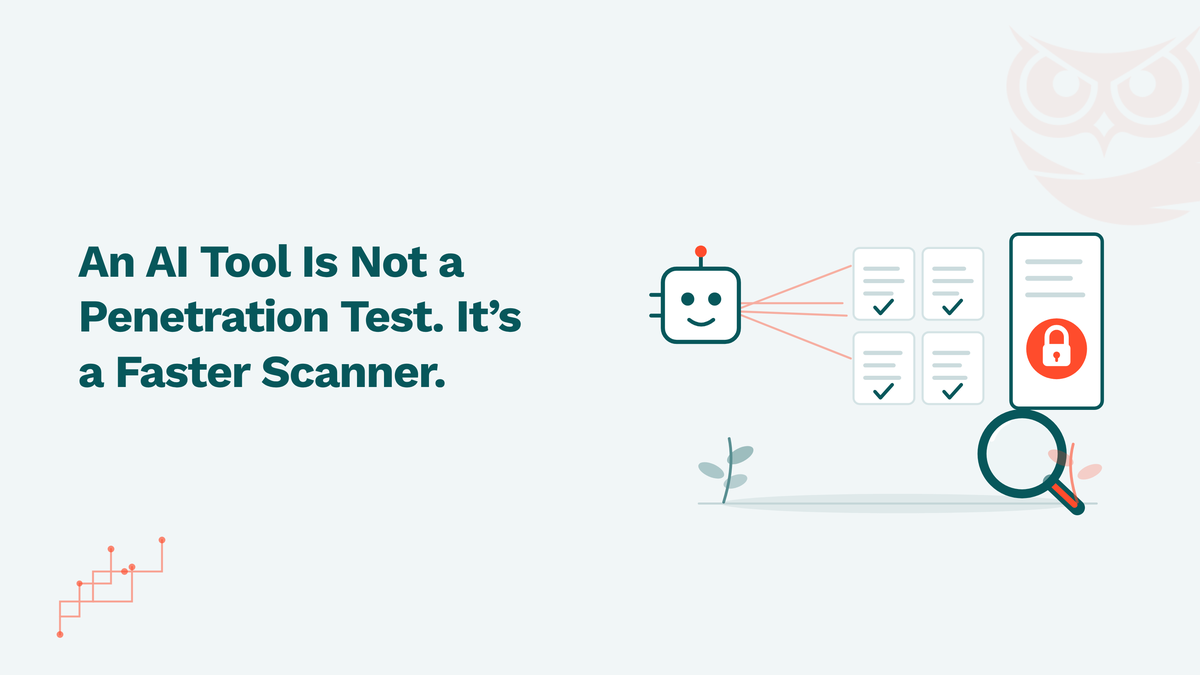
An AI Tool Isn't a Pentest. It's a Faster Scanner.
An AI Tool Isn't a Pentest. It's a Faster Scanner.

Omair


Fiza Nadeem is an SEO content writer at ioSENTRIX with 2.5+ years of experience in content writing, copywriting, and SEO.
Penetration testing is a critical control for identifying exploitable security weaknesses before attackers do. Organizations in Virginia face heightened risk due to dense government, defense, healthcare, and SaaS ecosystems.
According to IBM’s 2024 Cost of a Data Breach Report, the average breach cost reached USD 4.45 million, a 15% increase over three years. Proactive penetration testing directly reduces breach impact by identifying attack paths early.
This guide explains how to evaluate the top penetration testing service providers in Virginia and what differentiates high-value vendors from commodity testing firms.
Penetration testing is essential in Virginia because organizations operate in highly regulated and high-value threat environments.
Virginia hosts federal agencies, defense contractors, healthcare networks, and SaaS companies. These sectors face persistent threats from ransomware groups, nation-state actors, and insider risk.
Penetration testing validates whether security controls can withstand real-world attacks. It supports regulatory compliance, cyber insurance requirements, and executive risk decisions.
A top penetration testing provider delivers repeatable, evidence-based testing aligned with business risk and compliance obligations.
High-quality providers follow standardized methodologies such as NIST SP 800-115, OWASP, and PTES. They provide actionable remediation guidance, not just vulnerability lists.
Core differentiators include testing depth, reporting quality, retesting support, and coverage across modern attack surfaces.
Organizations should evaluate providers based on testing scope, methodology, and industry alignment. Modern environments require testing beyond basic network scans. Providers should demonstrate expertise across multiple asset classes.
Key capabilities include:
Penetration testing delivers the highest value to regulated and data-intensive industries in Virginia. Organizations handling sensitive data or critical infrastructure face higher breach consequences and compliance scrutiny.
Industries with the strongest penetration testing demand include:
Penetration testing supports compliance by validating control effectiveness, not just control existence. Frameworks such as SOC 2, ISO 27001, HIPAA, and PCI DSS require evidence of ongoing security validation.
Penetration testing findings map directly to technical safeguards and risk treatment plans. This is especially relevant when comparing frameworks like SOC 2 vs ISO 27001.
Testing results provide audit-ready documentation and support insurer and regulator expectations.
PTaaS provides continuous testing visibility, while traditional testing delivers point-in-time assessments. Traditional penetration testing typically occurs annually. PTaaS platforms offer collaborative dashboards, retesting workflows, and continuous insight.
Organizations evaluating providers should understand these differences. A detailed comparison is available in PTaaS vs Traditional Penetration Testing.
Organizations should evaluate providers based on expertise, reporting quality, and risk prioritization. Price alone is not a reliable indicator of value. Low-cost testing often relies heavily on automated scanning.
Evaluation criteria should include:
Most organizations should perform penetration testing at least annually or after major changes. High-risk environments benefit from quarterly testing or continuous models. Regulatory bodies increasingly expect testing frequency aligned with risk exposure.
Testing cadence should reflect asset criticality, threat landscape, and compliance requirements.
Top penetration testing service providers in Virginia deliver more than vulnerability discovery, they provide risk clarity. Organizations should select providers with deep manual testing, compliance alignment, and coverage across modern technologies.
ioSENTRIX offers comprehensive penetration testing services designed for regulated, high-risk environments. To assess your testing requirements, contact ioSENTRIX and engage security experts who understand real-world attack behavior.
Penetration testing is a controlled cybersecurity assessment that simulates real-world attacks to identify vulnerabilities in applications, networks, cloud environments, and systems. It helps organizations uncover security weaknesses before attackers can exploit them.
The duration of a penetration test depends on the scope, complexity, and size of the environment being tested. Most standard penetration tests take between one and three weeks, including planning, testing, validation, and reporting.
SOC 2 does not explicitly mandate penetration testing, but it strongly supports compliance with security and risk management requirements. Regular penetration testing helps organizations demonstrate proactive security controls, vulnerability management, and ongoing risk assessment practices.
Organizations should prioritize testing internet-facing systems, critical business applications, cloud environments, customer data platforms, and assets containing sensitive or regulated information. High-risk assets with direct external exposure should typically be assessed first.
Yes, penetration testing can help reduce cyber insurance premiums in some cases. Insurers often consider proactive security measures, including regular penetration testing, as indicators of lower organizational risk and stronger cybersecurity maturity.