September 24, 2026
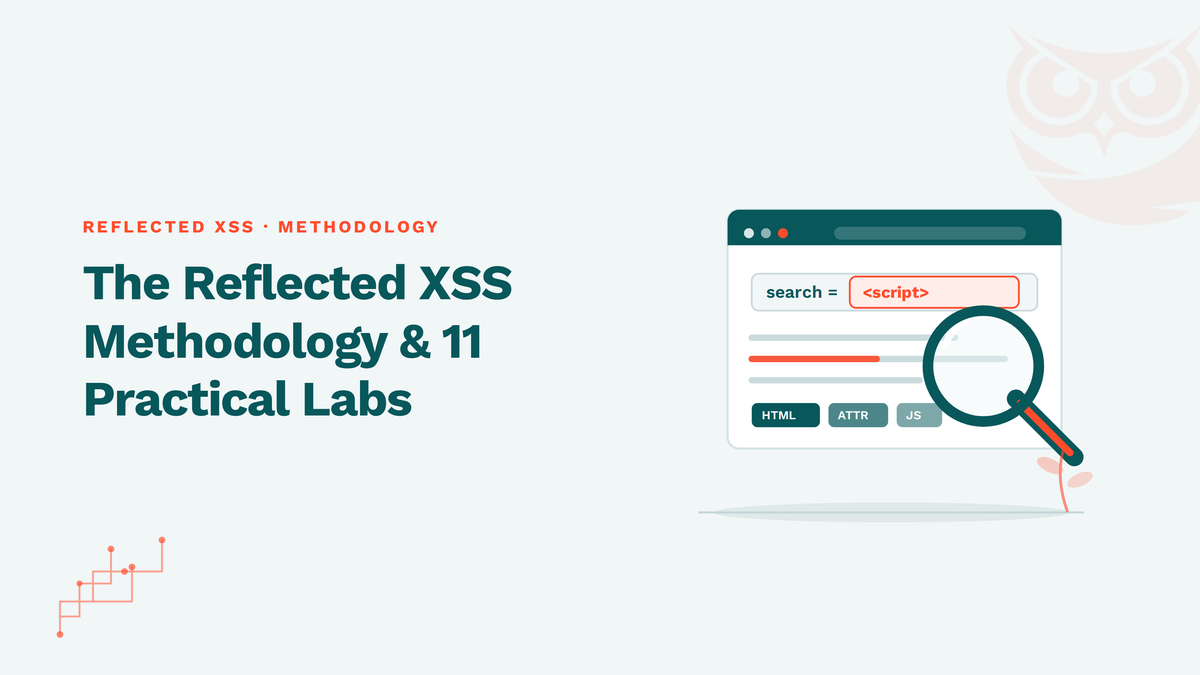
The Reflected XSS Methodology: 11 Labs Behind $5,000+ in Bounties and 80+ Pentests
The Reflected XSS Methodology: 11 Labs Behind $5,000+ in Bounties and 80+ Pentests

Salman Khan


Fiza Nadeem is an SEO content writer at ioSENTRIX with 2.5+ years of experience in content writing, copywriting, and SEO.
Continuous compliance monitoring is essential because annual assessments no longer reflect real-time risks. A 2025 Gartner study showed that 69% of security incidents stem from control drift between audits, demonstrating the limitations of periodic compliance checks.
Today’s threat environment demands always-on assurance that controls remain effective and aligned with regulatory and cyber insurance expectations.
Continuous compliance monitoring is an automated, ongoing evaluation of security controls against regulatory and policy requirements.
Unlike annual audits, continuous monitoring ensures real-time visibility into control status, configuration changes, and emerging risks.
This approach aligns security operations with compliance expectations by regulators, partners, and insurers who now demand evidence of “control effectiveness over time,” not just at a point in time.
Annual compliance falls short because it captures control status only once per year. Systems evolve, configurations change, new risks emerge, and previously compliant control sets can quickly become outdated.
Gartner reports that the average time from vulnerability disclosure to exploitation has decreased to under 5 days, validating the need for real-time insight.
Annual assessments create significant gaps in visibility and increase the likelihood of non-compliance between audit events.
Controls most effective under continuous monitoring include access controls, configuration baselines, and privileged activity logging.
These controls rapidly change due to personnel movement, software updates, and system integrations.
Real-time monitoring verifies that:
Without continuous validation, stale controls fail when needed most. AI-related systems require specialized evaluation, as detailed in AI design review for LLM security and compliance and security flaws in AI architecture.
Continuous compliance monitoring enhances risk assessment by providing live data on control effectiveness. Risk assessments rely on accurate inputs. Static assessment data becomes outdated quickly.
Live control status enables security teams to update risk scores, prioritize remediation, and forecast risk trends with greater precision.
Cloud infrastructure demands continuous compliance due to dynamic scaling, configuration changes, and API-driven management.
Cloud environments are more fluid than traditional networks. Instances, containers, and services can change state frequently and without centralized oversight.
Continuous monitoring detects unauthorized access, configuration drift, and misconfigurations linked to elevated breach risk.
AI risk assessment plays a role because machine learning systems interact with sensitive data and decision processes continuously.
AI systems can introduce drift as models retrain, data flows shift, or new integrations occur.
Integrating AI-specific risk evaluation with continuous compliance monitoring helps maintain visibility into model behavior, data access patterns, and potential misuse indicators.
Technologies that support always-on compliance include automated scanning, SIEM, and configuration management tools.
Effective monitoring combines:
Together, these capabilities detect deviations immediately, support audit readiness, and reduce manual compliance overhead.
Continuous monitoring improves audit readiness by maintaining constant evidence of control status.
Regulators and auditors increasingly request up-to-date artifact trails, configuration logs, and automated evidence.
Always-on assurance reduces the last-minute scramble for evidence and increases confidence in reporting accuracy. Learn more about audit integration with cyber risk assessments.
Continuous compliance is critical for hybrid environments where on-premises and cloud assets coexist with shifting boundaries.
Hybrid environments expand the attack surface, and controls must operate seamlessly across infrastructure.
Continuous monitoring provides unified visibility across all assets, preventing siloed blind spots that annual checkups miss.
Real-time compliance supports security leadership by providing accurate insights for decision-making. Security leaders require high-fidelity data to adjust budgets, prioritize controls, and demonstrate governance.
Continuous compliance reporting provides actionable dashboards, historic trends, and predictive indicators that inform board-level risk discussions.
These steps simplify adoption and improve long-term maturity.
Continuous compliance monitoring replaces episodic audits with real-time assurance that aligns with today’s threat landscape.
Annual audits are insufficient in dynamic environments where risk changes hourly. Organizations that adopt continuous compliance minimize control drift, enhance visibility, and reduce breach and regulatory exposure.
This approach supports cyber insurance requirements, enhances audit readiness, and improves operational resilience.
Learn how ioSENTRIX can help you build and automate continuous compliance monitoring.
Continuous compliance monitoring improves security posture by reducing control drift, increasing real-time visibility, and enabling faster remediation of risks. It also strengthens audit readiness, lowers the likelihood of regulatory penalties, and supports ongoing alignment with cybersecurity frameworks and cyber insurance requirements.
Many modern regulatory frameworks and industry standards increasingly expect continuous validation of controls rather than point-in-time assessments. While not always explicitly mandated, continuous compliance monitoring helps organizations meet evolving expectations from regulators, auditors, and insurers.
Yes, small and mid-sized businesses can implement continuous compliance monitoring using scalable tools such as automated scanners, cloud-native security services, and managed security platforms. These solutions reduce manual effort while providing enterprise-grade visibility and compliance support.
Effectiveness is measured through metrics such as time to detect and remediate control failures, frequency of policy violations, audit findings reduction, and overall risk score improvements. Consistent reporting and trend analysis help organizations validate that controls remain aligned with compliance requirements over time.